Many healthy dogs only need a bath when their coat is dirty or smells. Some continuously growing coats need grooming every 6 to 8 weeks, while muddy or swimming dogs may need cleaning sooner. A 4-week, 6-week, or 8-week schedule is only a starting point; skin health and veterinary treatment come first.
Coat and lifestyle change the bathing plan
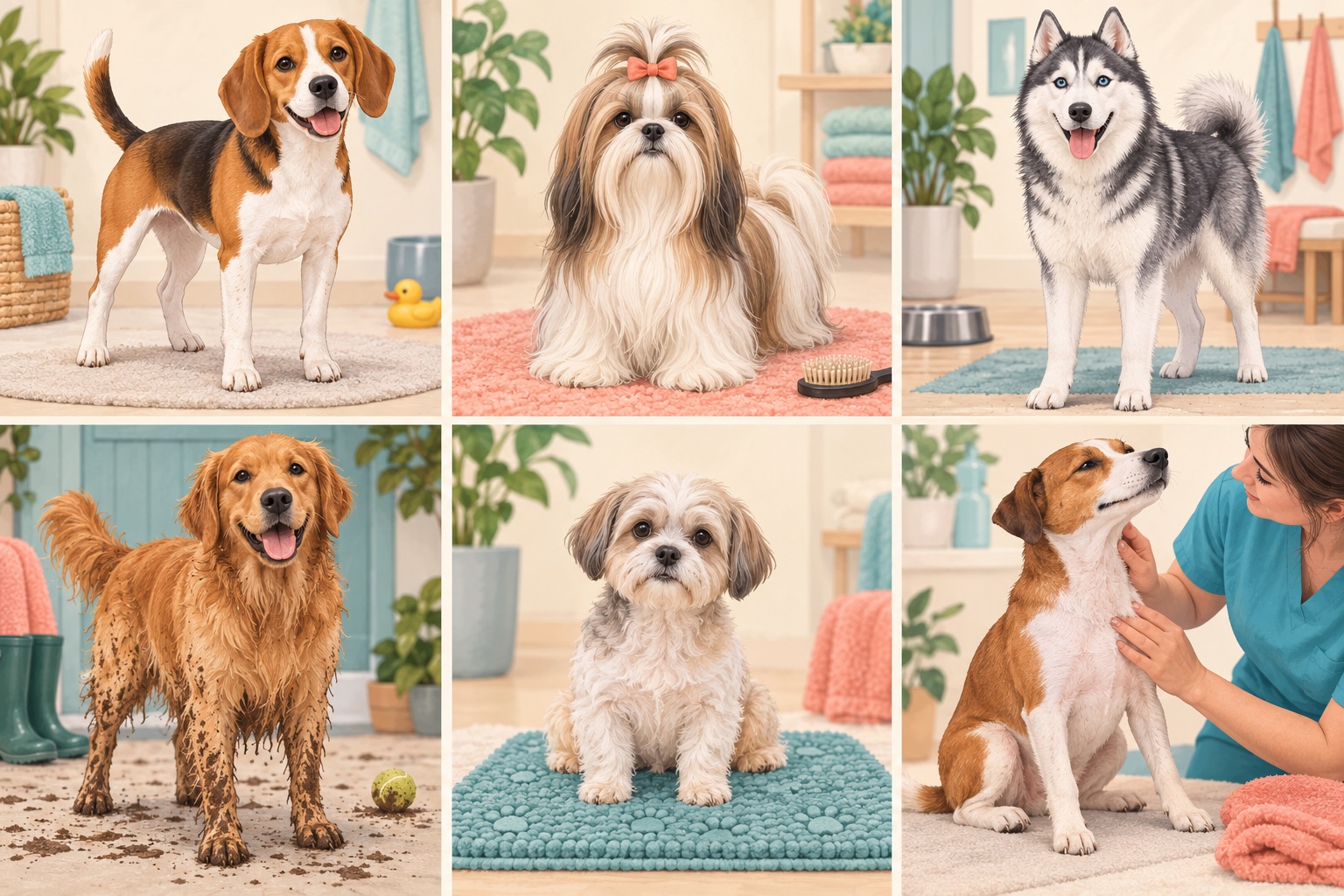
- Short, smooth coat
- Long or growing coat
- Dense double coat
- Active or muddy lifestyle
- Puppy or senior needs
- Sensitive or medicated skin
The quick guide
Each card reuses its matching panel from the visual guide above. Tap an example to open the original Dog Care Wiki TikTok carousel.
 View on TikTok
Short, smooth coats
These dogs often need only occasional baths when dirty or smelly. Regular brushing and a damp cloth for small messes can stretch the time between full baths.
 View on TikTok
Long or continuously growing coats
Poodles, doodles, shih tzus, Yorkies, and similar coats usually need more frequent grooming. A bath around every 6 to 8 weeks is a useful starting point for a healthy dog, adjusted with your groomer or vet.
 View on TikTok
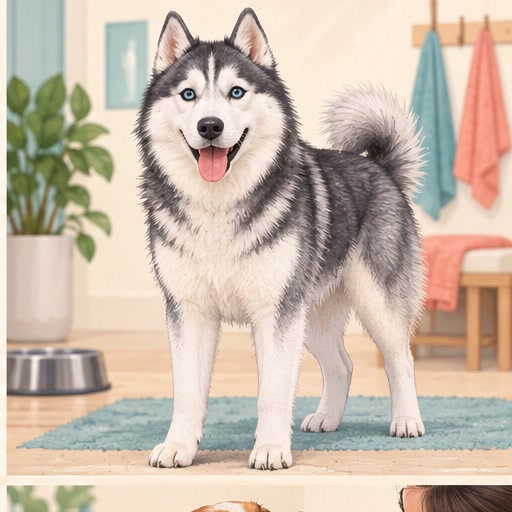
Double coats
Retrievers, huskies, German shepherds, and other double-coated dogs benefit from thorough brushing and seasonal coat care. Bathe when needed, rinse extremely well, and dry the dense undercoat fully.
 View on TikTok
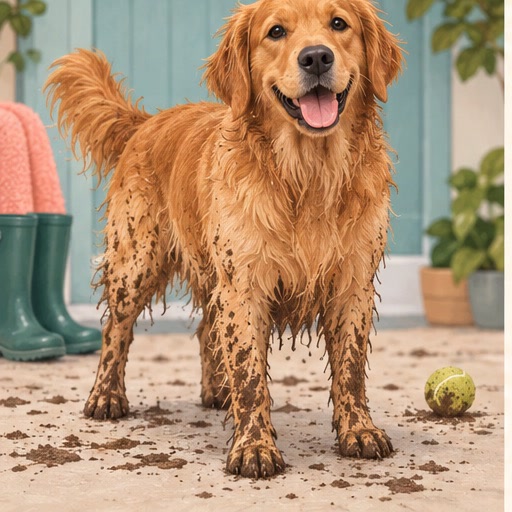
Active, muddy, or swimming dogs
Lifestyle can outrank breed. Bathe after a truly dirty adventure, and rinse off saltwater, pool chemicals, or irritating debris. Ask your vet about gentle products if frequent washing is unavoidable.
 View on TikTok
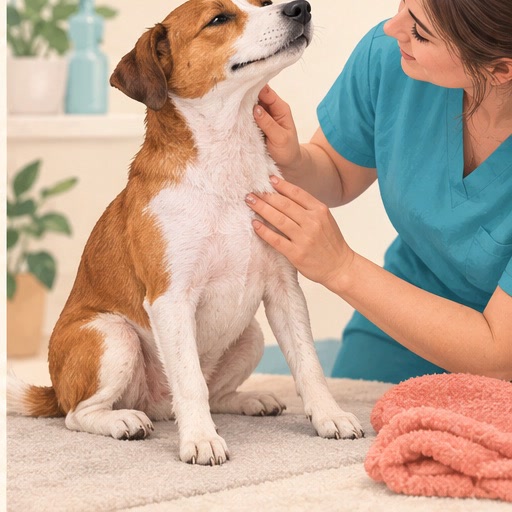
Puppies and senior dogs
Clean soiling promptly, keep the water comfortably warm, use a non-slip surface, and dry the dog completely. Very young, frail, or anxious dogs may do better with shorter, calmer clean-ups.
 View on TikTok
Allergies or skin conditions
Follow the veterinarian’s product, contact-time, and frequency instructions. Medicated shampoo is treatment, so the correct schedule may be much more frequent than routine bathing.
A kinder bath routine
- Brush out loose fur and tangles before the coat gets wet.
- Use lukewarm water and a shampoo made for dogs—not human or baby shampoo.
- Protect the eyes and ears, massage gently, and rinse until the water runs completely clear.
- Towel-dry, keep your dog warm, and dry dense coats thoroughly. Reward calm behavior throughout.
Common questions
How often should most dogs be bathed?
There is no single schedule for every dog. Bathe a healthy dog when the coat is dirty or smells, then adjust for coat type, activity, skin condition, and advice from your groomer or veterinarian.
Can I bathe my dog once a week?
Weekly bathing may be suitable when a veterinarian recommends it or when frequent washing is needed for a dog's lifestyle. Use a dog-safe product and ask your veterinarian if the skin becomes dry, itchy, red, flaky, or sore.
How often should a long-haired dog be bathed?
Many long or continuously growing coats follow a grooming cycle of roughly 6 to 8 weeks, but mats, swimming, dirt, skin health, and the dog's exact coat may change the schedule.
Can bathing too often dry out a dog's skin?
Frequent bathing with the wrong product or poor rinsing can irritate some dogs. Use shampoo made for dogs, rinse thoroughly, and ask a veterinarian about persistent itching, dandruff, redness, odor, sores, or hair loss.
Should I use human shampoo on my dog?
Use a shampoo made for dogs unless your veterinarian gives different instructions. Human and baby products are not designed for a dog's skin and may cause irritation.
Veterinary sources
- VCA Animal Hospitals: Grooming and Coat Care for Your Dog ↗
- VCA Animal Hospitals: Can weekly bathing dry skin and coat? ↗
- VCA Animal Hospitals: How to Bathe Dogs with Medicated Shampoo ↗
Medical note: This guide is educational and cannot diagnose your dog. A veterinarian who can examine your dog is the right person to give medical advice.